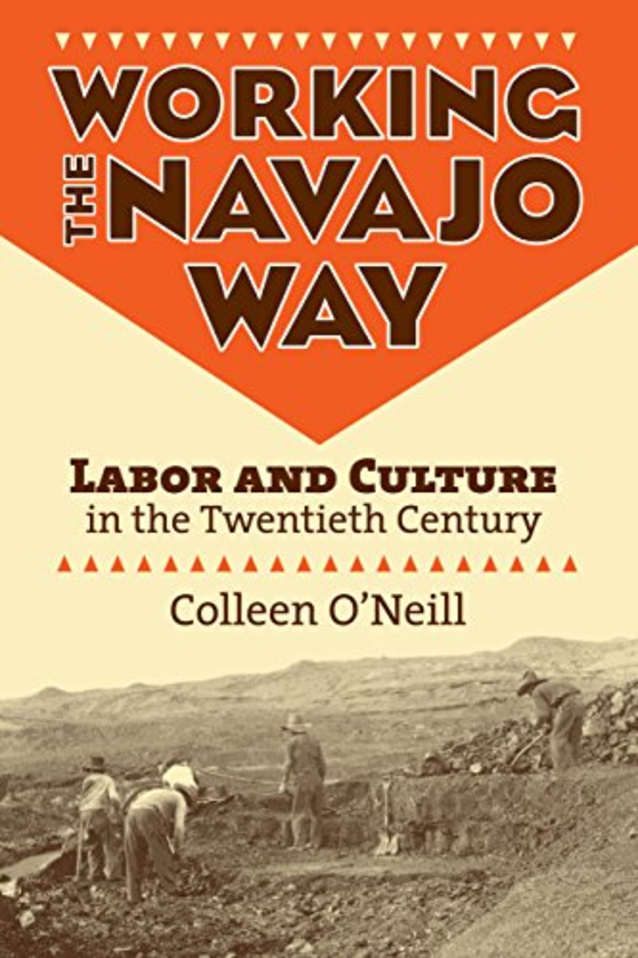
Working the Navajo Way: Labor and Culture in the Twentieth Century
About
The Diné have been a pastoral people for as long as they can remember; but when livestock reductions in the New Deal era forced many into the labor market, some scholars felt that Navajo culture would inevitably decline. Although they lost a great deal with the waning of their sheep-centered economy, Colleen O'Neill argues that Navajo culture persisted.
O'Neill's book challenges the conventional notion that the introduction of market capitalism necessarily leads to the destruction of native cultural values. She shows instead that contact with new markets provided the Navajos with ways to diversify their household-based survival strategies. Through adapting to new kinds of work, Navajos actually participated in the "reworking of modernity" in their region, weaving an alternate, culturally specific history of capitalist development.
O'Neill chronicles a history of Navajo labor that illuminates how cultural practices and values influenced what it meant to work for wages or to produce commodities for the marketplace. Through accounts of Navajo coal miners, weavers, and those who left the reservation in search of wage work, she explores the tension between making a living the Navajo way and "working elsewhere."
Praise for this book
"A superb book that challenges historians to examine how indigenous peoples have developed alternative modernities by adapting to capitalism, rather than simply becoming its 'underdeveloped' and dependent victims."