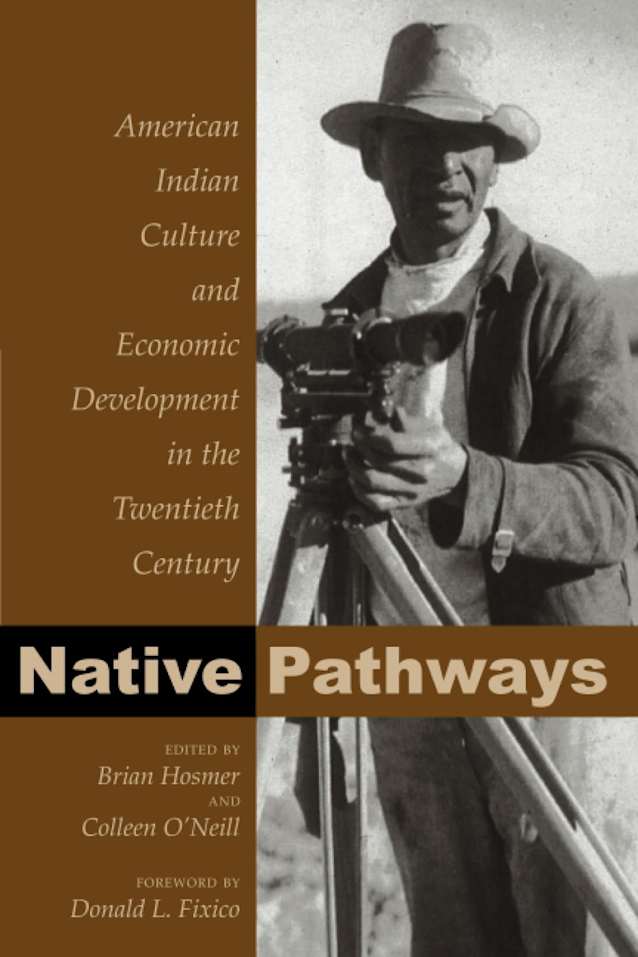
Colleen O’Neill is the author of two books, Waging Sovereignty: Native Americans and the Transformation of Work in the Twentieth Century and Working the Navajo Way: Labor and Culture in the Twentieth Century, and coeditor, with Brian Hosmer, of Native Pathways: American Indian Culture and Economic Development in the Twentieth Century. Dr. O’Neill is a professor of history at Utah State University, where she previously served as coeditor of the Western Historical Quarterly. She teaches courses in American Indian, U.S., and Western history and is especially passionate about exploring the intersections of gender, labor, and Indigenous studies in both her research and her teaching.
You can sign up to get updates about her writing here.
Colleen O’Neill is the author of two books, Waging Sovereignty: Native Americans and the Transformation of Work in the Twentieth Century and Working the Navajo Way: Labor and Culture in the Twentieth Century, and coeditor, with Brian Hosmer, of Native Pathways: American Indian Culture and Economic Development in the Twentieth Century. Dr. O’Neill is a professor of history at Utah State University, where she previously served as coeditor of the...
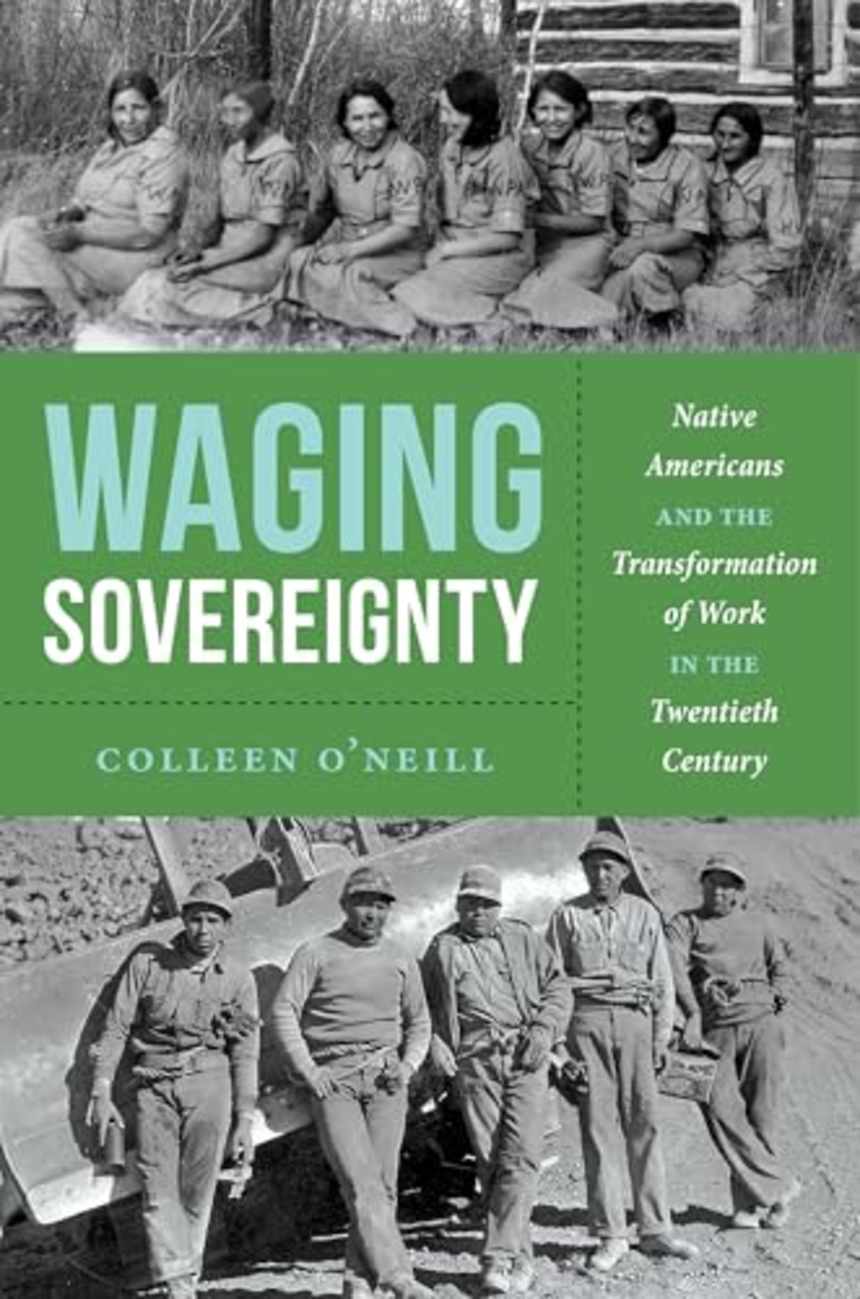
Wage work was supposed to “kill the Indian and save the man,” or so thought Richard Pratt and other late nineteenth-century policymakers. Nevertheless, even as American Indians entered the workforce, they remained connected to their lands and cultures. In this powerful history of resilience and transformation, Colleen O’Neill uncovers the...
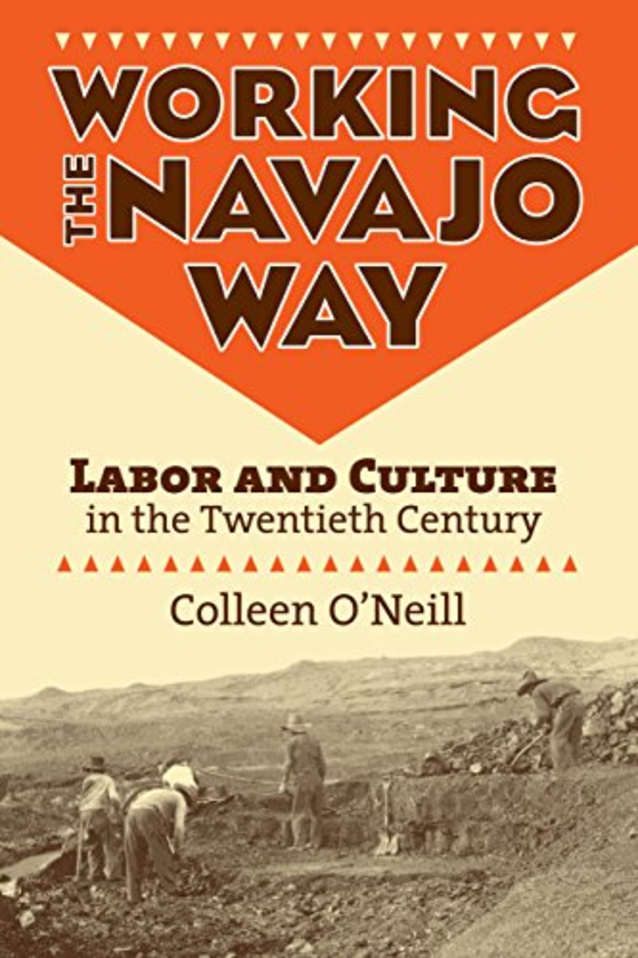
The Diné have been a pastoral people for as long as they can remember; but when livestock reductions in the New Deal era forced many into the labor market, some scholars felt that Navajo culture would inevitably decline. Although they lost a great deal with the waning of their sheep-centered economy, Colleen O'Neill argues that Navajo culture...
How has American Indians' participation in the broader market—as managers of casinos, negotiators of oil leases, or commercial fishermen—challenged the U.S. paradigm of economic development? Have American Indians paid a cultural price for the chance at a paycheck? How have gender and race shaped their experiences in the marketplace? Contributors...
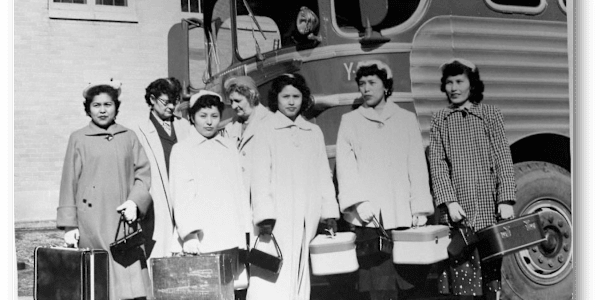
Closely examining the experiences of mostly female Navajo students, this article demonstrates that the Intermountain Indian School played a pivotal role in carrying out postwar Indian Policy. Like Progressive Era Indian boarding schools, its gendered curriculum prepared students to assimilate as low-status workers into American society and move away from their reservation communities. However, beginning with the first graduating class, Navajo students took advantage of the training but did...